
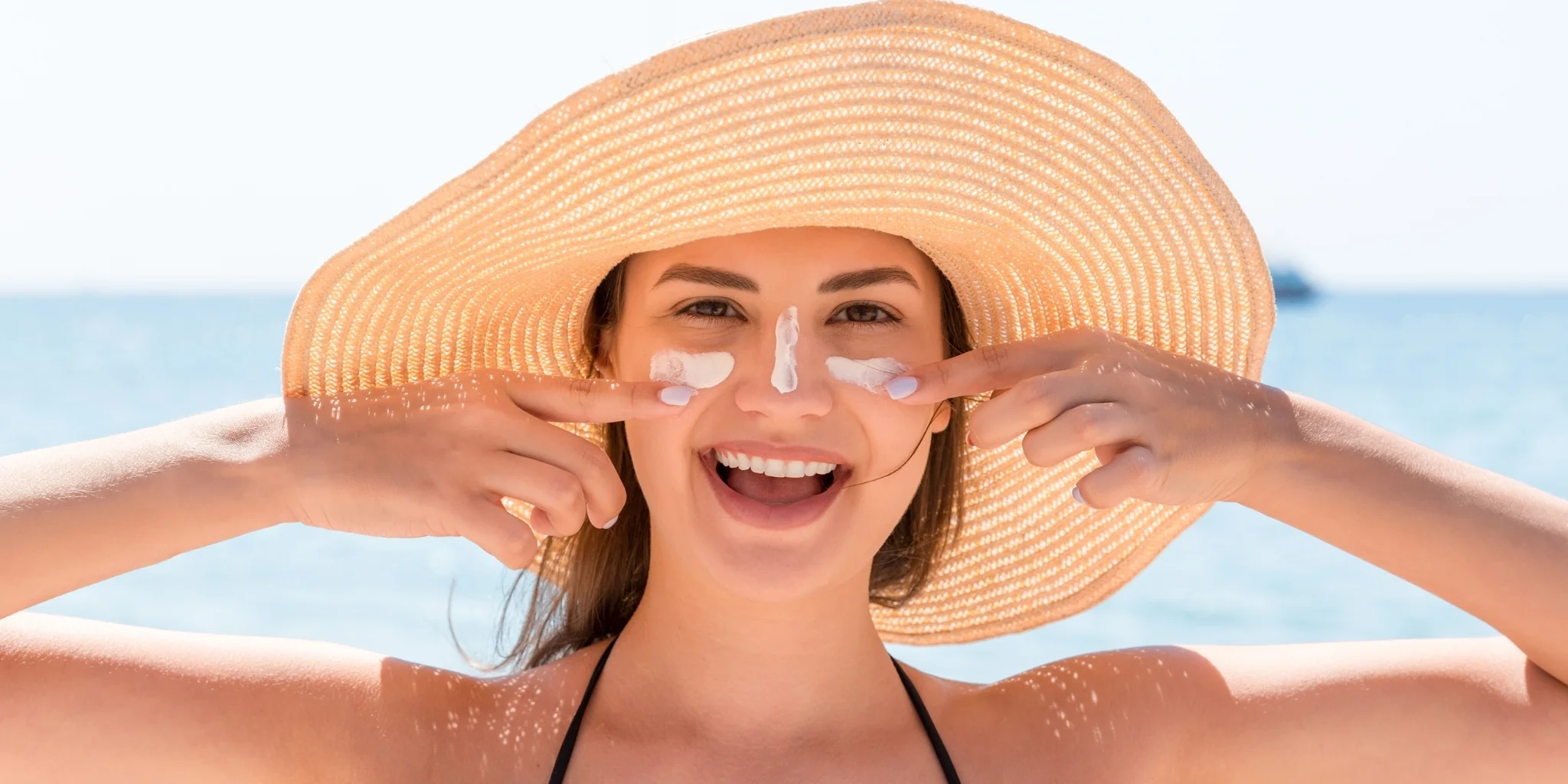
Achieving a radiant, golden glow is a timeless beauty goal for many, evoking images of summer vacations and healthy vitality. Yet the traditional path to a tan—prolonged unprotected sun exposure or tanning beds—carries significant risks, including painful sunburns, premature aging, and heightened chances of skin cancer. Enter a smarter, more responsible approach: Sun Protection Tanning. This method combines rigorous UV defense with strategic techniques to develop color gradually and safely, ensuring you enjoy the aesthetic benefits without compromising your skin’s long-term health.
Sun Protection Tanning prioritizes prevention while delivering results. It recognizes that a tan is actually your skin’s emergency response to UV-induced DNA damage, where melanocytes ramp up melanin production to shield deeper layers. By layering broad-spectrum protection, limiting exposure, and incorporating sunless options, you can cultivate a natural-looking bronze that enhances your complexion rather than harming it. This balanced philosophy has gained traction as awareness of UV dangers grows, empowering people to embrace outdoor activities confidently. Whether you’re poolside, at the beach, or simply enjoying daily walks, Sun Protection Tanning transforms risky habits into mindful routines that protect against wrinkles, dark spots, and more serious issues.
In this comprehensive guide, we’ll explore the science, practical steps, alternatives, and expert-backed tips to master Sun Protection Tanning. You’ll learn how to select the right products, time your sessions perfectly, and maintain that glow long after summer ends—all while keeping your skin healthy and resilient.
The Science of Tanning: How Your Skin Responds to the Sun
Tanning occurs when ultraviolet (UV) radiation penetrates the skin, triggering melanocytes in the epidermis to produce melanin, the pigment responsible for color. UVB rays, which cause sunburn, primarily drive this process but also damage DNA directly. UVA rays penetrate deeper, generating free radicals that break down collagen and elastin, leading to photoaging—think leathery texture, fine lines, and uneven tone.
Importantly, no tan is “safe.” Even a light bronze indicates cellular injury. The Skin Cancer Foundation notes that each sunburn doubles melanoma risk later in life, and cumulative exposure fuels basal and squamous cell carcinomas. One in five Americans develops skin cancer by age 70, underscoring why protection must come first in any tanning strategy.
Genetics play a role too—fair skin (Fitzpatrick types I-II) burns easily and tans minimally, while darker tones (types V-VI) have more natural melanin but still require defense against UVA. Nutrition influences outcomes as well: foods rich in beta-carotene (carrots, sweet potatoes) and lycopene (tomatoes, watermelon) may subtly enhance melanin production and offer mild internal support against oxidative stress, though they never replace topical protection.
Why Traditional Tanning Methods Are Risky
Unprotected sunbathing or indoor tanning accelerates damage far beyond a temporary glow. Tanning beds emit concentrated UVA—up to 10-15 times stronger than midday sun—and the American Academy of Dermatology (AAD) warns they increase melanoma risk by 75% if used before age 35. The World Health Organization classifies them as carcinogenic, equivalent to cigarettes.
Sunburn isn’t the only red flag. Even “successful” tans without visible burn contribute to cumulative DNA mutations, immune suppression, and eye damage like cataracts. Reflective surfaces (water, sand, snow) amplify exposure by up to 80%, making casual outings deceptive. Long-term, this manifests as age spots, sagging, and elevated cancer odds. The message is clear: chasing color aggressively invites trouble. Sun Protection Tanning reframes the goal—glow yes, but never at the expense of safety.
Choosing and Applying Sunscreen: The Foundation of Effective Protection
When engaging in Sun Protection Tanning, sunscreen is your non-negotiable ally. Opt for broad-spectrum formulas (protecting against both UVA and UVB) with SPF 30 or higher, as recommended by the AAD. SPF 30 blocks approximately 97% of UVB rays; higher numbers offer marginal gains but better peace of mind for extended time outdoors. Look for water-resistant options (40 or 80 minutes) labeled clearly.
Apply generously—about one ounce (a shot glass full) for full-body coverage—15-30 minutes before exposure to allow absorption. Reapply every two hours, or immediately after swimming, sweating, or toweling off. Most people use only 25-50% of the required amount, drastically reducing efficacy. Cover often-missed spots: ears, lips (use SPF balm), neck, hands, and feet.
Two main types exist: chemical (absorb UV and convert to heat; ingredients like avobenzone, octinoxate) and mineral/physical (reflect UV; zinc oxide, titanium dioxide). Minerals suit sensitive or acne-prone skin and start working instantly, though they may leave a white cast (modern tinted versions minimize this). For Sun Protection Tanning seekers, mineral options often feel lighter for daily use and pair well with makeup or self-tanners.
Recent FDA updates (as of late 2025) continue approving safe ingredients, reinforcing that regulated sunscreens are effective and low-risk when used properly. Pair with other measures for comprehensive defense—sunscreen alone isn’t enough.
Gradual Exposure Techniques for Building Color Safely
Sun Protection Tanning succeeds through patience and progression. Start with short sessions: 10-15 minutes of midday sun (or longer in early morning/late afternoon when UV index is lower) on days with moderate UV (2-5 on apps). Gradually increase by 5 minutes every few days as your skin adapts, always under high-SPF coverage. This stimulates melanin without overwhelming repair mechanisms, reducing burn likelihood.
Time smartly: Avoid peak hours (10 a.m.-4 p.m.) when UV is strongest. Seek shade during breaks—trees, umbrellas, or cabanas cut exposure significantly. Rotate positions frequently to ensure even coverage and prevent hotspots. Stay hydrated; dehydration exacerbates sensitivity. Wear protective gear like UPF 50+ clothing, wide-brimmed hats (at least 3 inches), and UV-blocking sunglasses.
Monitor your skin: If it feels warm or tight, retreat indoors. Apps tracking UV index and your shadow length (if shorter than your height, UV is intense) provide real-time guidance. Over weeks, this disciplined approach yields a subtle, even tan that looks natural and fades gracefully as skin renews.
Sunless Solutions: Achieving Glow Without Any UV Risk
Sun Protection Tanning extends beyond direct sun to include proven sunless methods, the gold standard for zero-damage color. Dihydroxyacetone (DHA), a sugar-derived ingredient approved by the FDA for external use, reacts with amino acids in dead skin cells to produce a temporary bronze lasting 5-10 days. It involves no UV whatsoever, making it ideal for all skin types and seasons.
Preparation is key: Exfoliate 24 hours prior (avoid harsh scrubs on face), shave or wax, and moisturize dry areas like elbows, knees, and ankles lightly to prevent patchiness. Apply in sections using a mitt for streak-free results; start light and build layers. Wash hands immediately or wear gloves. Allow 4-8 hours before showering, and avoid sweating or swimming initially.
Modern formulas offer customizable shades—from subtle glow to deep bronze—with added skincare benefits like hyaluronic acid or antioxidants. Tinted moisturizers or gradual lotions provide buildable, everyday options. Professional spray tans (booth caution: avoid inhalation; FDA notes risks for mucous membranes) deliver instant results but require similar prep.
These alternatives deliver the aesthetic you crave minus the hazards, letting you maintain protection outdoors while sporting color. Many users combine them with light sun exposure under SPF for a hybrid effect.
Supportive Habits: Clothing, Timing, and Lifestyle Enhancers
Layer defense with UPF-rated fabrics—long sleeves, pants, and rash guards block 98%+ of UV consistently, unlike sunscreen which wears off. Dark, tightly woven materials perform best. Hats shield face and scalp; sunglasses protect delicate eye skin and reduce cataract risk.
Lifestyle tweaks amplify results: Antioxidant-rich diets (berries, green tea, nuts) combat free radicals. Avoid smoking and limit alcohol, both of which impair skin repair. Consistent sleep and stress management preserve collagen. For those with photosensitivity or medications (e.g., certain antibiotics, retinoids), consult a dermatologist before any exposure.
Post-Exposure Care to Prolong and Soothe
After time outdoors, cool showers (not hot) remove sweat and residue. Apply aloe vera or fragrance-free moisturizers to calm and hydrate— this helps any developing color last longer by slowing shedding. Antioxidants like vitamin C serums repair daily damage. If mild redness appears, over-the-counter hydrocortisone or cool compresses help. Never peel sunburned skin; let it heal naturally to avoid scarring or infection.
Debunking Persistent Tanning Myths
Myth 1: A “base tan” protects. Reality: It equates to roughly SPF 4—insufficient and already damaging. Myth 2: Tanning beds are safer than sun. False—they deliver concentrated UVA with no vitamin D benefit. Myth 3: Darker skin needs no protection. All tones face risks; melanoma can occur anywhere. Myth 4: Sunless tans provide SPF. Most don’t; always layer real sunscreen. Myth 5: Oils or low-SPF products speed safe tanning. They increase burn risk dramatically.
Embracing a Healthier Glow for Life
Sun Protection Tanning proves you don’t have to choose between beauty and safety. By integrating high-quality sunscreens, gradual habits, sunless tools, and daily vigilance, you secure a vibrant appearance alongside peace of mind. Consult board-certified dermatologists for personalized advice, especially with skin concerns or family history of cancer. Your future self—free of regrets and radiating confidence—will thank you.
FAQ
What SPF level is best if I want some color while staying protected? Broad-spectrum SPF 30+ is the AAD standard. It filters most UVB while still permitting gradual melanin development over time. Higher SPFs (50+) suit fair skin or intense sun. Always choose water-resistant and reapply diligently.
How much sunscreen should I actually apply, and how often? Use one ounce (about two tablespoons) for your entire body—roughly a shot glass. Apply 15-30 minutes before going out and reapply every two hours, or after water/sweat. Under-application is the top mistake that leads to burns.
Are self-tanners and spray tans completely safe? Yes, when used as directed for external application. DHA is FDA-approved and non-carcinogenic, reacting only on the skin surface. Avoid inhaling mists in booths; patch-test for sensitivity. They offer no UV protection, so pair with sunscreen outdoors.
Can I still get vitamin D while practicing safe tanning? Brief, incidental exposure (10-15 minutes a few times weekly on face/arms) usually suffices for most people. Supplements or fortified foods provide a reliable, risk-free alternative without skin damage.
What’s the safest way to maintain a tan year-round? Rely primarily on sunless tanners, moisturizing regularly to extend wear. Use them alongside daily SPF 30+ on exposed skin. This eliminates UV risks entirely while delivering consistent color.
Does clothing really provide better protection than sunscreen? UPF 50+ clothing offers superior, consistent blocking without reapplication needs. Combine it with sunscreen on uncovered areas and shade for maximum defense—ideal for long outdoor days.
How do I avoid streaky self-tanner results? Exfoliate thoroughly, moisturize unevenly (lighter on dry zones), apply with a mitt in circular motions, and blend edges (wrists, ankles). Wait fully dry before dressing; use color-correcting primers if needed for face.
Is there any truly safe sun exposure for tanning? Minimal, controlled sessions under SPF 30+ and outside peak hours reduce—but do not eliminate—risk. Sunless options remain the only 100% safe route for glow without any cellular damage. Prioritize health over haste.