A Comprehensive Guide to Centro Politecnico Superior Courses and Campus Life

 Blog
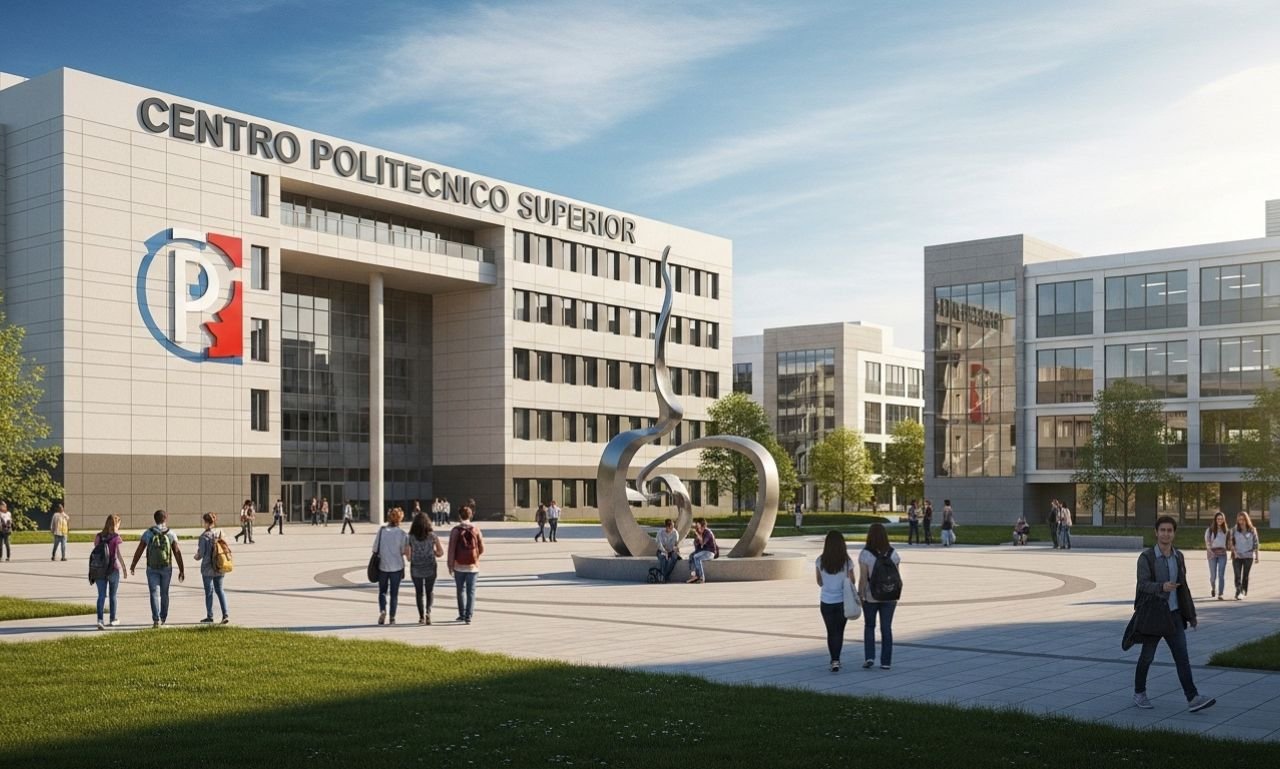
Blog Centro Politecnico Superior, a historic pillar of technical education within Universidad de Zaragoza, continues to shape engineers and architects through rigorous, practice-oriented training. Located on the vibrant Campus Río Ebro in Zaragoza, Spain, it offers modern facilities, cutting-edge programs, and a dynamic student community that prepares graduates for global careers. This comprehensive guide explores its academic offerings, campus infrastructure, and lifestyle, providing everything prospective students need to know.
A Rich History Rooted in Innovation
The Centro Politecnico Superior traces its origins to the late 19th century with the Escuela de Artes y Oficios (1895), evolving through several iterations to meet Spain’s industrial needs. In 1989, it officially became the Centro Politecnico Superior, launching degrees in Telecommunications Engineering (1990), Computer Engineering (1992), Chemical Engineering (1994), and Architecture (2008). In 2011, it merged with the Escuela Universitaria de Ingeniería Técnica Industrial to form the current Escuela de Ingeniería y Arquitectura (EINA), yet its legacy as a hub of applied technical excellence endures.
Today, EINA (formerly known as the Centro Politecnico Superior) serves over 4,800 students with more than 860 faculty and 160 support staff. The institution balances theoretical foundations with hands-on laboratories, industry partnerships, and international exchanges, ensuring graduates thrive in fields from renewable energy to robotics and digital design.
Comprehensive Courses: From Undergraduate to Advanced Specializations
The Centro Politecnico Superior stands out for its diverse, Bologna-compliant programs adapted to the European Higher Education Area. Undergraduate (Grado) degrees span four years and emphasize practical projects, internships, and capstone design work.
Key Grado programs include:
- Grado en Ingeniería Informática – Focuses on software development, AI, cybersecurity, and data science.
- Grado en Ingeniería Mecánica – Covers mechanics, thermodynamics, materials, and manufacturing.
- Grado en Ingeniería Química – Explores processes, biotechnology, and sustainable materials (with a double-degree option in Chemistry).
- Grado en Ingeniería de Tecnologías de Telecomunicación – Specializes in networks, signal processing, and 5G/6G technologies.
- Grado en Ingeniería Eléctrica and Grado en Ingeniería Electrónica y Automática – Emphasize power systems, control engineering, and embedded systems.
- Grado en Ingeniería Biomédica – Combines biology, electronics, and medical imaging.
- Grado en Ingeniería en Diseño Industrial y Desarrollo de Producto – Integrates creativity, ergonomics, and prototyping.
- Grado en Estudios en Arquitectura – Prepares for urban planning, sustainable building, and structural design (leading to the Máster Universitario en Arquitectura).
- Double degrees: Química + Ingeniería Química and Matemáticas + Ingeniería Informática.
Master’s (Máster Universitario) programs deepen expertise and often include dual mentions or Erasmus Mundus recognition:
- Máster Universitario en Ingeniería Industrial, Ingeniería Mecánica, Ingeniería Química, Ingeniería de Telecomunicación, Ingeniería Electrónica, Ingeniería Biomédica, Ingeniería de Diseño de Producto, Energías Renovables y Eficiencia Energética, and Arquitectura.
- Specialized options like Máster Universitario en Robótica, Gráficos y Visión por Computador and Máster Interuniversitario en Tecnologías del Hidrógeno.
Postgraduate offerings also feature own degrees (Estudios Propios) in Industry 4.0 Supply Chain, Cloud Cybersecurity, Plastic Injection Molding, and Hydrogen Technologies, plus micro-credentials for lifelong learning.
All programs integrate laboratory work (40%+ of contact hours in many cases), mandatory internships, and access to state-of-the-art labs in the Ada Byron, Betancourt, and Torres Quevedo buildings.
Campus Facilities on Campus Río Ebro
The Centro Politecnico Superior benefits from one of Spain’s most modern engineering campuses. Spread across 32 hectares at María de Luna 3, 50018 Zaragoza, the site features green spaces, bike lanes, and easy public transport links (bus 36 every 15 minutes, 20-minute ride from the city center).
Key facilities:
- Laboratories – Robotics, electronics, chemical engineering pilots, wind tunnels, 3D printing, and biomedical simulation suites.
- Libraries – Campus Río Ebro Library (open until midnight during exams) plus specialized EINA collections.
- Sports and Recreation – Sports center (CAD) with gym, football pitches, tennis courts, and outdoor areas.
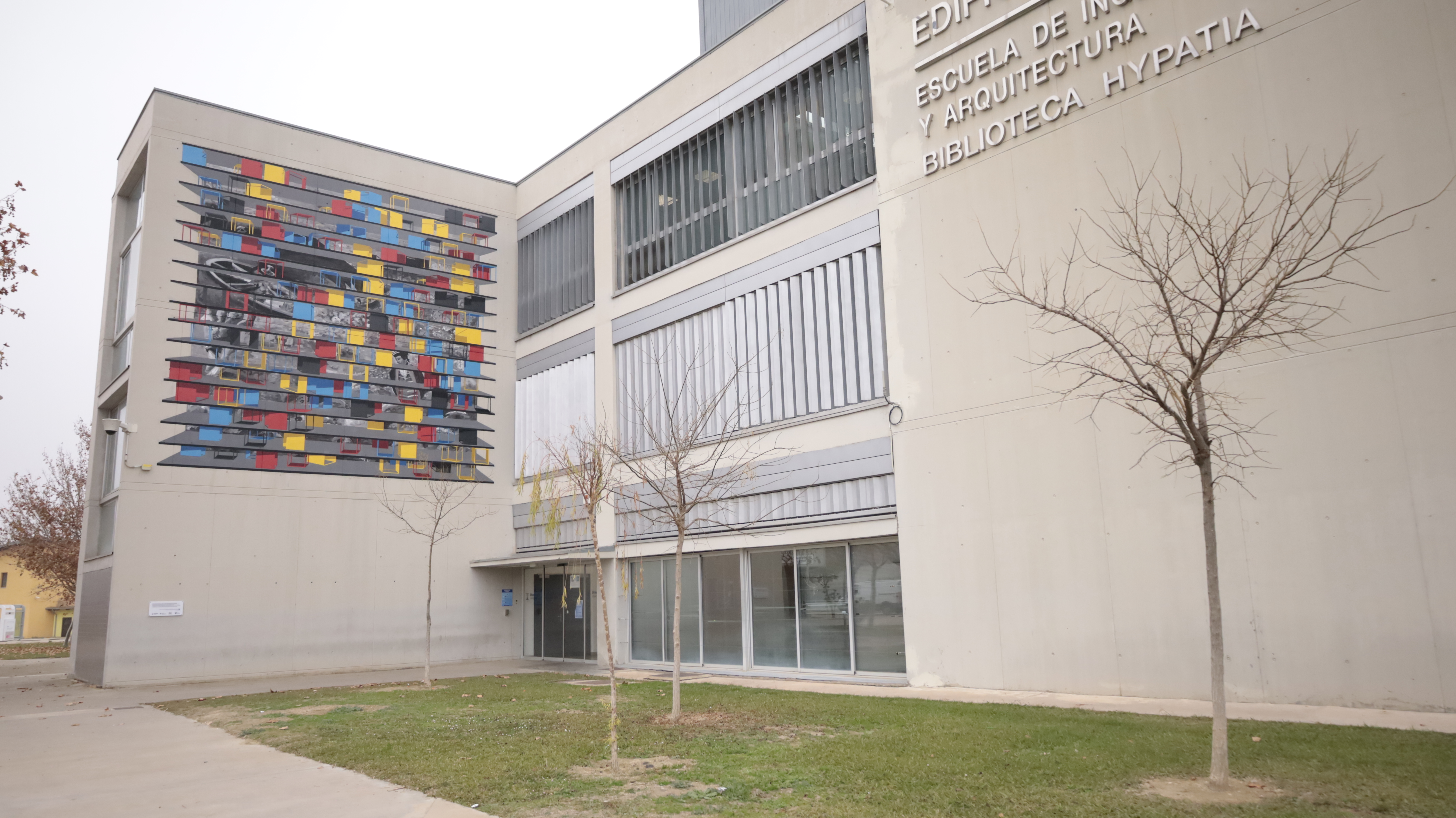
- Study and Social Spaces – Collaborative zones, cafeterias, and the iconic Ada Byron building with its colorful mural.
- Accessibility and Sustainability – Solar panels, electric vehicle charging, and inclusive design.
The campus is just 2.5 km north of Zaragoza’s historic center, offering the perfect blend of quiet study environment and vibrant city life.
Campus Life: Beyond the Classroom
Life at the Centro Politecnico Superior extends far beyond lectures. With over 4,800 students, the community is diverse and active. Student associations include the Board of Delegates, robotics clubs, Formula Student teams, programming societies, and cultural groups. Annual events like the Semana de la Ingeniería y Arquitectura, hackathons, EINA-Proyecta design contests, and biomedical workshops foster networking and innovation.
Sports teams compete regionally, while international exchange programs (Erasmus+) bring students from across Europe. Zaragoza itself adds flavor—affordable housing, tapas bars in El Tubo, the stunning Basilica del Pilar, and a lively student nightlife (especially in Delicias and San Francisco districts).
Support services include academic tutoring, career guidance through the University’s employment office, psychological counseling, and disability support. Many graduates secure jobs at companies like Airbus, General Motors, or local tech startups, with strong alumni networks.
FAQ
Q: Is Centro Politecnico Superior still the official name? A: It is now officially the Escuela de Ingeniería y Arquitectura (EINA) at Universidad de Zaragoza, but “Centro Politecnico Superior” remains widely recognized for its legacy programs.
Q: What are the admission requirements for Grado programs? A: Spanish students need to pass the EBAU (Selectividad). International students require homologated secondary education plus Spanish language proficiency (B2 level recommended).
Q: Are internships mandatory? A: Yes, most programs require at least one curricular internship, often paid and leading to job offers.
Q: How expensive is student life in Zaragoza? A: Very affordable: shared apartment €250–350/month, monthly bus pass €35, meals €8–12. Total monthly budget for students is typically €600–900.
Q: Does the campus offer accommodation? A: University residences are available nearby (e.g., Colegio Mayor Río Ebro). Private options abound within walking or cycling distance.
Q: Can I study in English? A: Several master’s programs offer English tracks; undergraduate degrees are primarily in Spanish, though some courses are bilingual.
Q: What makes Campus Río Ebro special compared to other Spanish engineering schools? A: Its large green campus, direct industry links in Aragon’s automotive and renewable sectors, and integration of architecture with engineering set it apart.
For more details, visit eina.unizar.es or contact eina@unizar.es. Whether you dream of building sustainable cities, coding the next AI breakthrough, or pioneering green energy, the Centro Politecnico Superior provides the foundation for success.