
Introduction
The aviation industry is built on precision, safety protocols, and the ability to adapt to unforeseen circumstances. On October 30, 2025, these principles were put to the test during the United Flight UA109 Diversion, an event that captured the attention of travelers, aviation enthusiasts, and media outlets worldwide. What began as a routine transatlantic journey from Munich, Germany, to Washington Dulles International Airport in the United States quickly turned into an unscheduled detour to Dublin, Ireland. This incident, involving a Boeing 787-8 Dreamliner operated by United Airlines, highlighted the stringent regulations governing crew fitness and the prioritization of safety over schedule adherence.
The United Flight UA109 Diversion was not triggered by mechanical failure, severe weather, or passenger unrest—common culprits in such scenarios. Instead, it stemmed from a seemingly minor medical issue with a cabin crew member that escalated to the point where continuing the flight became untenable under federal aviation rules. This article delves deep into the timeline of events, key details surrounding the decision-making process, the aircraft involved, passenger experiences, and the broader implications for airline operations. Drawing from official reports, eyewitness accounts, and aviation analyses, we aim to provide a comprehensive overview of this noteworthy diversion.
In an era where air travel is increasingly scrutinized for safety and efficiency, the United Flight UA109 Diversion serves as a reminder of how even small health concerns can lead to significant operational changes. United Airlines’ response emphasized their commitment to crew well-being and regulatory compliance, ensuring no risks were taken mid-flight. As we explore the sequence of events, we’ll uncover how this diversion unfolded and why it mattered.
Background of the Flight
United Airlines Flight UA109 is a regularly scheduled service connecting Munich Airport (MUC) in Germany to Washington Dulles International Airport (IAD) in Virginia, USA. This route is popular among business travelers, tourists, and those connecting through major hubs on both sides of the Atlantic. The flight typically covers approximately 4,200 miles (6,760 kilometers) and takes around 8-9 hours, depending on wind patterns and air traffic.
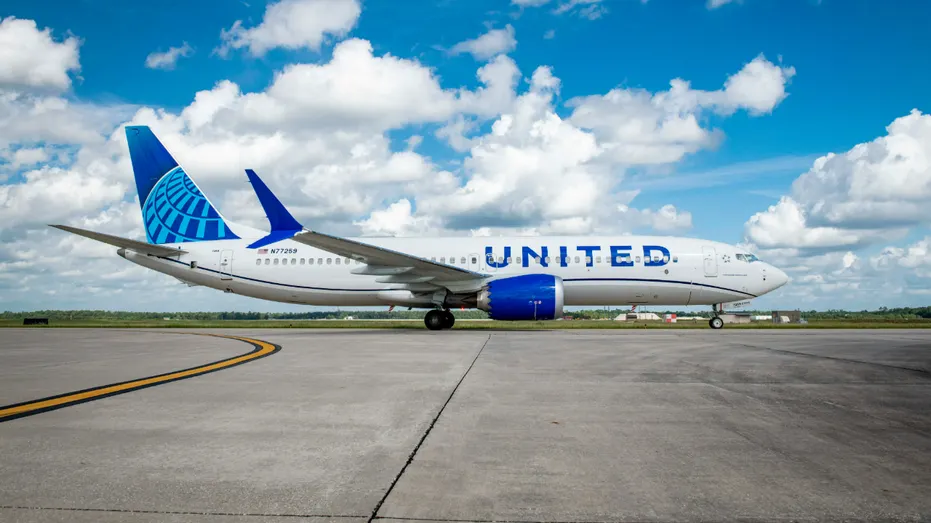
On the day in question, October 30, 2025, the aircraft assigned to UA109 was a Boeing 787-8 Dreamliner with registration number N28912. This wide-body jet, known for its fuel efficiency and passenger comfort features like larger windows and improved cabin pressure, was configured to carry up to 243 passengers in a mix of business, premium economy, and economy classes. The plane had departed on time, with a full complement of crew members, including pilots and flight attendants trained to handle long-haul operations.
The flight’s path took it northwest from Munich, over Europe, and then across the North Atlantic Ocean toward the eastern seaboard of the United States. Transatlantic flights like this are governed by strict Federal Aviation Administration (FAA) and European Union Aviation Safety Agency (EASA) rules, particularly regarding crew rest and medical fitness. For long-haul flights, airlines must maintain a minimum number of active cabin crew to ensure passenger safety, emergency response capabilities, and service standards. If a crew member becomes unfit due to illness or injury, the flight may not proceed without violating these regulations.
In the context of the United Flight UA109 Diversion, the incident underscored the importance of these rules. A medical emergency involving a flight attendant—a painful blister that worsened mid-flight—rendered the crew short-staffed for the remaining journey. Blisters, often dismissed as trivial, can become debilitating in the high-pressure environment of an aircraft cabin, where crew members are on their feet for extended periods. This case illustrates how aviation safety extends beyond technical systems to human factors.
Detailed Timeline of the Incident
To fully understand the United Flight UA109 Diversion, it’s essential to break down the events chronologically. The following timeline is reconstructed from flight tracking data, radio communications, airline statements, and post-incident reports.
- 9:00 AM CET (Departure from Munich): Flight UA109 pushed back from the gate at Munich Airport on schedule. The Boeing 787-8, under the command of experienced pilots, taxied to the runway and took off without incident. Weather conditions were favorable, and the flight plan anticipated a smooth crossing over the Atlantic. Passengers settled in for the long journey, unaware of the unfolding drama.
- Approximately 10:30 AM CET (Medical Issue Reported): About 90 minutes into the flight, while cruising at around 35,000 feet over the North Atlantic—roughly 500-600 nautical miles west of Ireland—a cabin crew member reported severe pain from a blister on their foot. What started as minor discomfort escalated rapidly, making it impossible for the attendant to perform duties. The crew notified the cockpit, initiating a chain of assessments.
- 10:45 AM CET (Diversion Decision): Following consultations with the onboard medical kit and possibly ground-based medical advisors via satellite communication, the pilots determined that the crew member was medically unfit to continue. FAA regulations require a minimum crew complement for transatlantic flights; falling below this threshold necessitated a diversion to the nearest suitable airport. Dublin Airport (DUB) was selected due to its proximity, facilities for wide-body aircraft, and availability of medical services.
- 11:00 AM CET (U-Turn Over the Atlantic): The aircraft executed a U-turn over the ocean, heading east toward Ireland. Air traffic control was alerted, and the plane began its descent. Passengers were informed of the diversion via announcements, with emphasis on safety as the priority. No panic ensued, as the crew maintained professionalism.
- Around 12:00 PM CET (Landing in Dublin): UA109 touched down safely at Dublin Airport. Emergency medical services met the plane at the gate, and the affected crew member received immediate treatment. The landing was routine, with no injuries reported among passengers or remaining crew.
- Post-Landing (Afternoon CET): United Airlines arranged for a replacement crew member or adjusted staffing to comply with regulations. After a delay of several hours, the flight resumed its journey to Washington Dulles, arriving later than scheduled but without further issues.
This timeline reveals the swift decision-making that characterizes aviation emergencies. The United Flight UA109 Diversion was handled efficiently, minimizing risks and ensuring compliance.
Key Details and Analysis
Several key details emerged from the investigation into the United Flight UA109 Diversion. First, the choice of Dublin as the diversion airport was strategic. As one of Europe’s busiest hubs, DUB is equipped to handle unscheduled wide-body arrivals and has robust medical facilities. Proximity played a crucial role; returning to Munich would have added unnecessary flight time, while pressing on to IAD risked non-compliance.
The medical issue—a blister—might seem insignificant, but in aviation context, it’s critical. Cabin crew must be able to respond to emergencies like evacuations or medical aid for passengers. A debilitated attendant compromises this capability. United Airlines’ policy aligns with industry standards, prioritizing health over convenience.
Passenger impact was minimal beyond the delay. Reports indicate that travelers were provided with refreshments and updates during the ground time in Dublin. No compensation claims were widely reported, as diversions for medical reasons are often covered under force majeure clauses in airline terms.
From an operational standpoint, the incident cost United Airlines in terms of fuel, crew overtime, and potential rerouting fees. However, it reinforced the airline’s safety-first ethos. Aviation experts noted that such diversions, while rare, occur dozens of times annually across global fleets.
Aftermath and Implications
In the weeks following the United Flight UA109 Diversion, United Airlines issued statements confirming the crew medical emergency and praising the pilots’ handling. No formal investigation by the FAA or EASA was launched, as the diversion adhered to protocols. The event sparked discussions on crew health management, including better footwear and pre-flight checks for potential issues.
Broader implications include heightened awareness of human factors in aviation safety. Airlines may review training for minor ailments that could worsen in-flight. For passengers, it underscores the unpredictability of air travel and the importance of flexibility.
The incident also gained traction on social media, with X posts from aviation trackers providing real-time updates. This public visibility ensures transparency but can amplify minor events.
Conclusion
The United Flight UA109 Diversion exemplifies how aviation’s safety net operates seamlessly. From the initial report of discomfort to the safe landing in Dublin, every step prioritized well-being. While delays are inconvenient, they pale against potential risks. As air travel evolves, incidents like this refine practices, ensuring safer skies for all.
FAQ
What caused the United Flight UA109 Diversion?
The diversion was due to a medical emergency involving a cabin crew member who developed a severe blister, rendering them unfit to continue under safety regulations.
When did the incident occur?
The event took place on October 30, 2025, during the flight from Munich to Washington Dulles.
Where did the flight divert to?
The aircraft diverted to Dublin Airport in Ireland, the nearest suitable location for medical assistance and compliance.
Was anyone injured?
No injuries were reported; the diversion was precautionary, and the affected crew member received treatment upon landing.
How long was the delay?
The flight resumed after several hours, arriving at its destination with a moderate delay, but exact times varied by source.
Does this happen often?
Crew medical diversions are uncommon but occur when necessary to maintain safety standards on long-haul flights.
What aircraft was involved?
A Boeing 787-8 Dreamliner, registration N28912, operated by United Airlines.
How did United Airlines respond?
The airline confirmed the medical issue, ensured passenger care, and resumed the flight with adjustments to meet crew requirements.