
Introduction
In the bustling digital landscape of social media, where posts, likes, comments, and shares dominate the scene, there exists a significant yet often overlooked group: the silent scrollers. These are the users who consume content voraciously but rarely, if ever, contribute their own voices. They lurk in the shadows of timelines, absorbing information, trends, and personal stories without leaving a trace. Understanding Social Media Silent Scroller Traits is crucial not just for psychologists and marketers but for anyone navigating the online world. This article delves into the characteristics, motivations, and implications of these quiet online users, drawing from psychological research and real-world observations to paint a comprehensive picture.
Silent scrolling, sometimes referred to as lurking, isn’t a new phenomenon. With billions of people on platforms like Instagram, Twitter (now X), Facebook, and TikTok, studies estimate that up to 90% of users in some online communities are lurkers—those who observe without participating. This behavior challenges the assumption that social media is all about interaction; instead, it highlights a more passive, introspective approach to digital engagement. By exploring Social Media Silent Scroller Traits, we can uncover why some people prefer to watch from the sidelines and what this means for their mental health, relationships, and the broader ecosystem of online content.
Defining the Silent Scroller
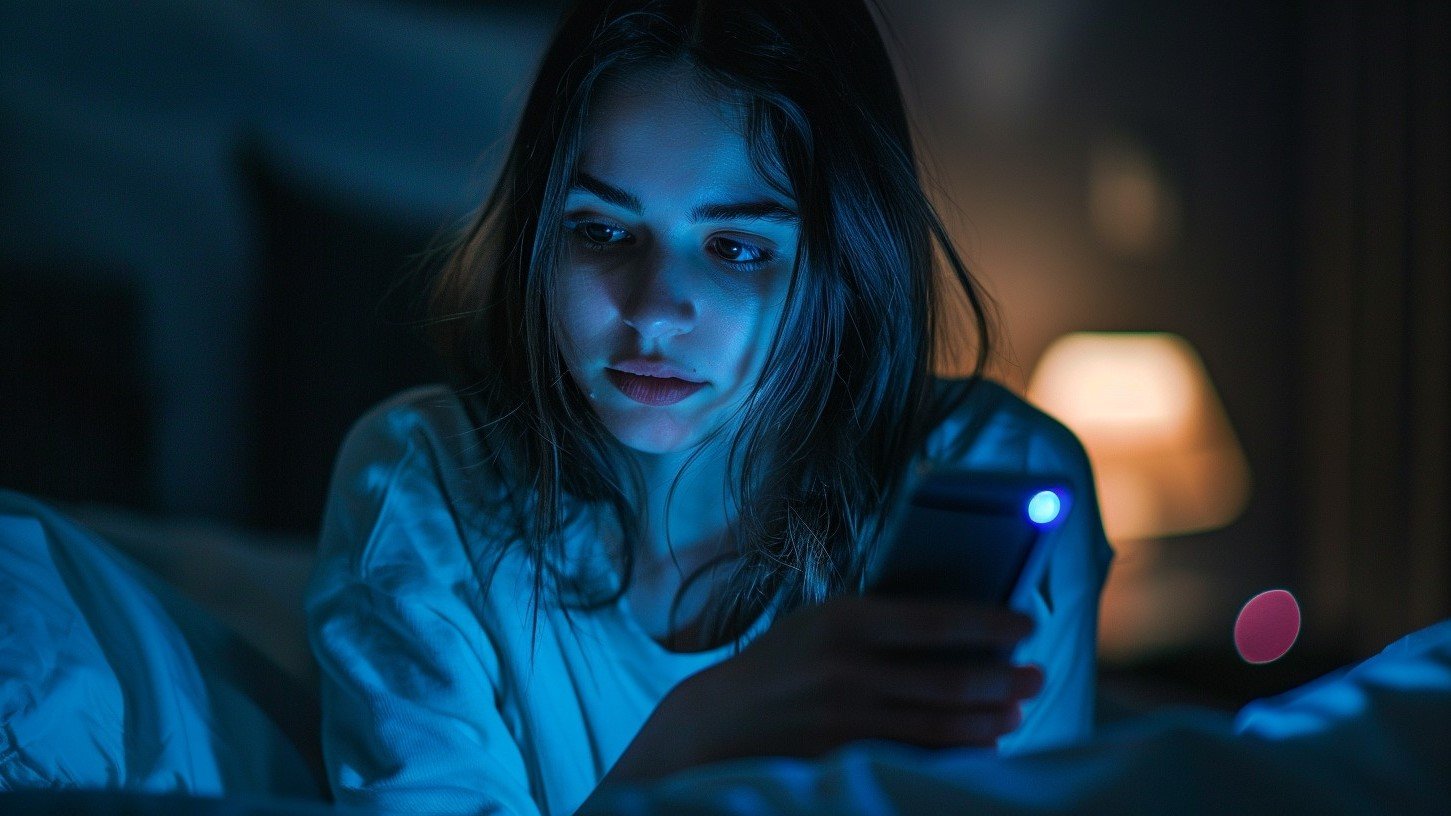
A silent scroller is someone who frequently browses social media feeds but avoids active participation. They might spend hours scrolling through posts, stories, and reels, yet they seldom like, comment, share, or post their own content. This isn’t laziness or disinterest; it’s a deliberate choice rooted in personality and circumstance. Unlike active users who seek validation through engagement metrics, silent scrollers derive satisfaction from observation alone.
Psychological studies categorize lurking as a form of “passive social media use,” contrasting it with active posting or commenting. For instance, research from journals like Computers in Human Behavior shows that lurkers often use social media to fulfill informational needs without the risks associated with visibility. They might follow news, trends, or friends’ updates to stay connected, but their silence protects them from judgment, conflict, or unwanted attention. In essence, silent scrolling is a strategy for engagement on their own terms.
On platforms like X, users have shared anecdotes about this behavior. One post describes silent scrollers as “quietly observing, stacking thoughts, plotting world domination… or just vibing,” emphasizing the strategic or relaxed nature of their approach. Another highlights the appeal of being “chronically offline” yet present, focusing on real-life grounding over digital noise. These insights reveal that silent scrolling isn’t monolithic; it varies by individual motivation.
Key Social Media Silent Scroller Traits
When examining Social Media Silent Scroller Traits, several common characteristics emerge from psychological analyses. These traits aren’t flaws but adaptations to the demands of online life.
- Highly Observant and Analytical: Silent scrollers excel at absorbing and processing information. They read posts, analyze comments, and form opinions without needing to vocalize them. Psychology suggests this stems from a preference for internal reflection over external expression. A study highlights how these users are like sponges, soaking up details that others might overlook.
- Privacy-Conscious and Boundary-Oriented: One of the most prominent Social Media Silent Scroller Traits is a strong emphasis on privacy. These users avoid posting to prevent personal information from being exposed or misused. Research indicates higher privacy concerns lead to lurking as a protective measure. They value anonymity, enjoying the platform’s benefits without the vulnerabilities of visibility.
- Introverted or Independent Thinkers: Introversion plays a key role. Silent scrollers often prefer solitude in their digital interactions, aligning with traits like independence and self-reliance. They don’t seek external validation, finding fulfillment in quiet consumption. As one X user noted, “Being a quiet person is nice bc no one expects you to add much to the conversation. You can just listen.”
- Empathetic and Emotionally Intelligent: Contrary to stereotypes of detachment, many silent scrollers display high emotional intelligence. They empathize deeply with content but express it internally rather than through likes or comments. This trait allows them to connect emotionally without overt interaction.
- Discerning Content Consumers: They filter noise effectively, engaging only with meaningful content. This selectivity stems from a desire for authenticity over superficiality. Silent scrollers are intentional, avoiding mindless scrolling in favor of purposeful browsing.
- Fear of Judgment or Social Anxiety: Some lurk due to anxiety about mockery or intimidation by others. A study links social anxiety to preferring observation over participation.
- Reflective and Self-Aware: These users often reflect on content’s impact on their well-being, recognizing the mental health risks of over-engagement. Their silence is a form of self-protection.
- Low Need for Social Validation: Unlike active posters, they don’t rely on likes for self-esteem, indicating internal motivation.
- Paradoxical Engagement: They can’t bear to miss out (FOMO), yet they avoid participation—a classic trait of silent scrollers.
These Social Media Silent Scroller Traits illustrate a nuanced profile: thoughtful, guarded, and selectively engaged.
Psychological Motivations Behind Silent Scrolling
The psychology of lurking reveals motivations tied to both positive and negative factors. Positively, silent scrolling satisfies curiosity and informational needs without effort. Users browse for entertainment, learning, or social comparison, gaining dopamine hits from observation alone.
Negatively, factors like social media fatigue—weariness from overload—drive lurking. Anxiety from information, functional, or social overload leads to withdrawal. Privacy risks and fear of conflict also contribute.
From a uses-and-gratifications perspective, lurking is a listening mode, fulfilling needs like surveillance or escapism. It’s not passivity but a strategic choice, as one source notes: lurking regulates the nervous system by avoiding stress.
X posts echo this: one user values “trading scrolling for silence” to prioritize real-life focus. Another appreciates quiet supporters, recognizing their loyalty.
Impacts on Mental Health and Society
Silent scrolling has mixed effects. Positively, it reduces exposure to negativity, like trolling, preserving mental health. It allows for mindful consumption, fostering self-awareness.
However, excessive lurking can amplify social comparison, leading to envy or inadequacy. Studies link passive use to lower well-being compared to active engagement. It may also contribute to isolation if it replaces real interactions.
Societally, silent scrollers influence content creators indirectly. Their views boost algorithms, but lack of feedback can frustrate posters. Marketers must adapt by creating authentic content to subtly engage them.
One X post laments the “silent scroll,” urging better strategies to convert lurkers.
Conclusion
Social Media Silent Scroller Traits reveal a fascinating subset of users who thrive in observation rather than participation. From high observance and privacy focus to emotional intelligence and independence, these traits challenge the extroverted ideal of social media. Understanding them promotes empathy, encouraging platforms to value all forms of engagement.
As digital spaces evolve, recognizing silent scrollers enriches our online experiences. Whether you’re a lurker or an active poster, balance is key—scroll mindfully, and perhaps occasionally step out of the shadows.
FAQ
What is a silent scroller on social media?
A silent scroller is a user who browses content extensively but rarely interacts through likes, comments, shares, or posts. They prefer passive consumption over active participation.
Why do people become silent scrollers?
Motivations include privacy concerns, social anxiety, a desire for information without risk, and fatigue from overload. It’s often a protective or reflective strategy.
Is silent scrolling bad for mental health?
It can be mixed: it avoids negativity but may increase comparison and isolation. Moderation is recommended for better well-being.
How can content creators engage silent scrollers?
Focus on authentic, valuable content. Use subtle calls to action, polls, or stories that encourage low-effort interaction without pressure.
Are silent scrollers the majority on social media?
Yes, in many communities, lurkers make up 80-90% of users, with only a small percentage actively contributing.
Can silent scrolling lead to stalking behavior?
While most is harmless curiosity, excessive focus on individuals can border on unhealthy obsession. Boundaries are essential.