
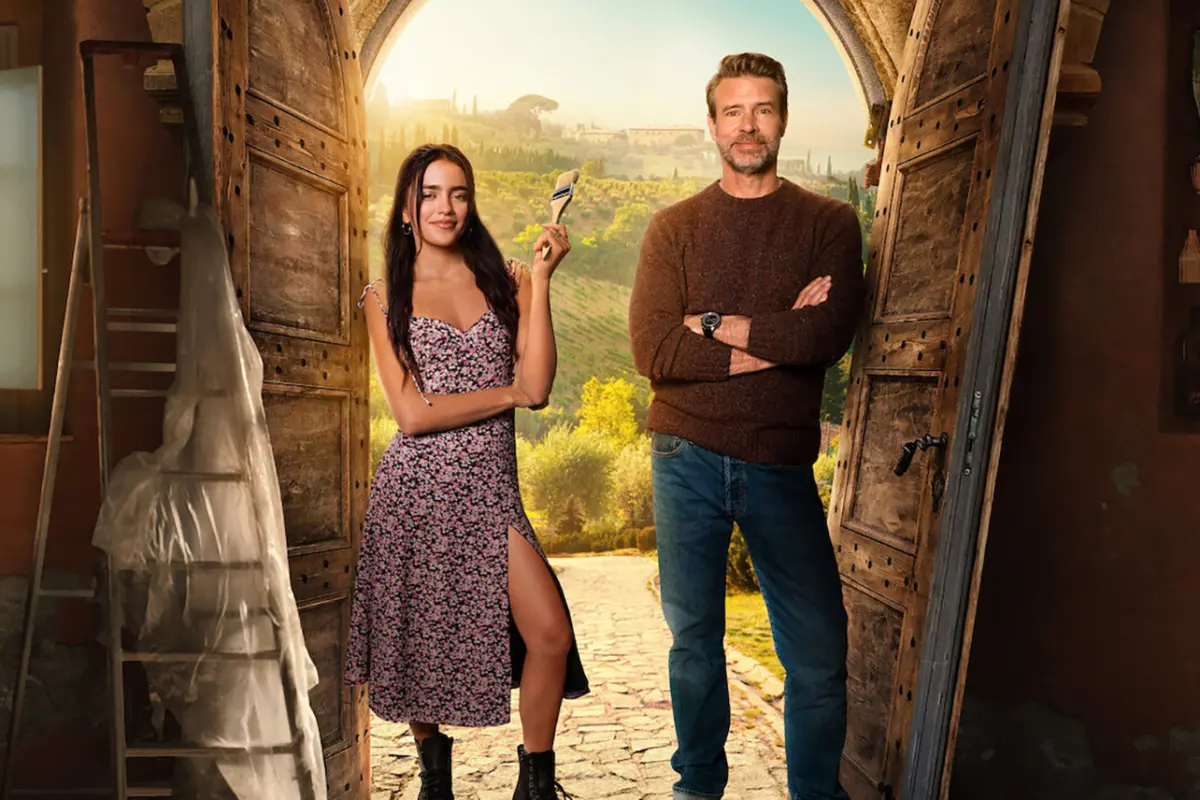
Where Was La Dolce Villa Filmed? For fans of Netflix’s charming 2025 romantic comedy, this question unlocks a journey through some of Italy’s most breathtaking landscapes and historic gems. Directed by Mark Waters and starring Scott Foley as the protective father Eric Field, Maia Reficco as his adventurous daughter Olivia, and Violante Placido as the charismatic mayor Francesca, the film follows a father-daughter pair who travel to Italy after Olivia impulsively buys a crumbling one-euro villa in the fictional town of Montezara. What begins as a mission to stop a “scam” blossoms into romance, renovation, and rediscovery of la dolce vita—the sweet life.
The movie, released on February 14, 2025, pays homage to classics like Under the Tuscan Sun and even nods to Federico Fellini’s La Dolce Vita through its title and filming at iconic Cinecittà Studios. Yet the real magic lies in its authentic Italian settings. Where Was La Dolce Villa Filmed blends Tuscany’s iconic Val d’Orcia with Lazio’s countryside and Rome’s studio expertise to create a visually stunning backdrop that feels both timeless and inviting. Filming occurred primarily in April 2024, capturing the lush spring greenery that makes the region irresistible.
This complete guide explores every key location, how it appears in the film (spoiler-light), its real-world history and appeal, and practical tips for visitors eager to walk in the characters’ footsteps. From medieval hill towns to a working agriturismo villa and legendary film studios, these sites embody the romance and resilience at the heart of the story.
The Fictional Montezara Meets Real Val d’Orcia
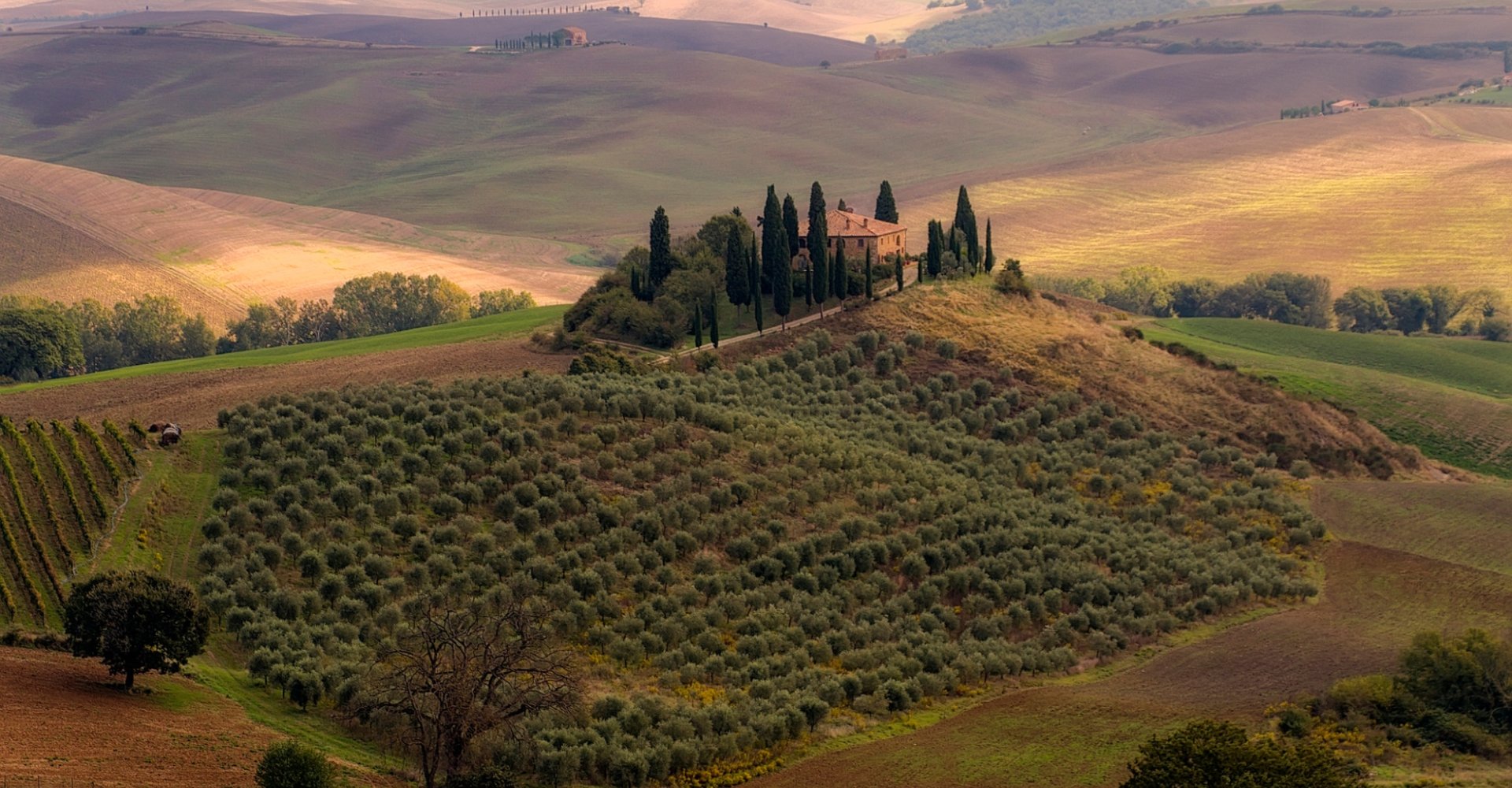
Where Was La Dolce Villa Filmed in the rolling hills that define Tuscany’s UNESCO-listed Val d’Orcia? The answer centers on this southern Siena province landscape, celebrated for its cypress-lined roads, golden wheat fields, olive groves, and medieval villages. Director Mark Waters chose the area for its unpolished charm, instructing scouts to avoid “too nice” or overly touristy spots. The team enhanced San Quirico d’Orcia with temporary storefront changes, awnings, and a prop fountain to portray the struggling yet enchanting Montezara.
Val d’Orcia’s cinematic pedigree runs deep—it has starred in Gladiator, The English Patient, and countless ads. In La Dolce Villa, it provides establishing shots of winding roads, panoramic viewpoints, and community scenes where locals practice il dolce far niente (the sweetness of doing nothing). The two-week shoot from April 3–15, 2024, focused here, transforming quiet streets into lively film sets while respecting the region’s rural pace.
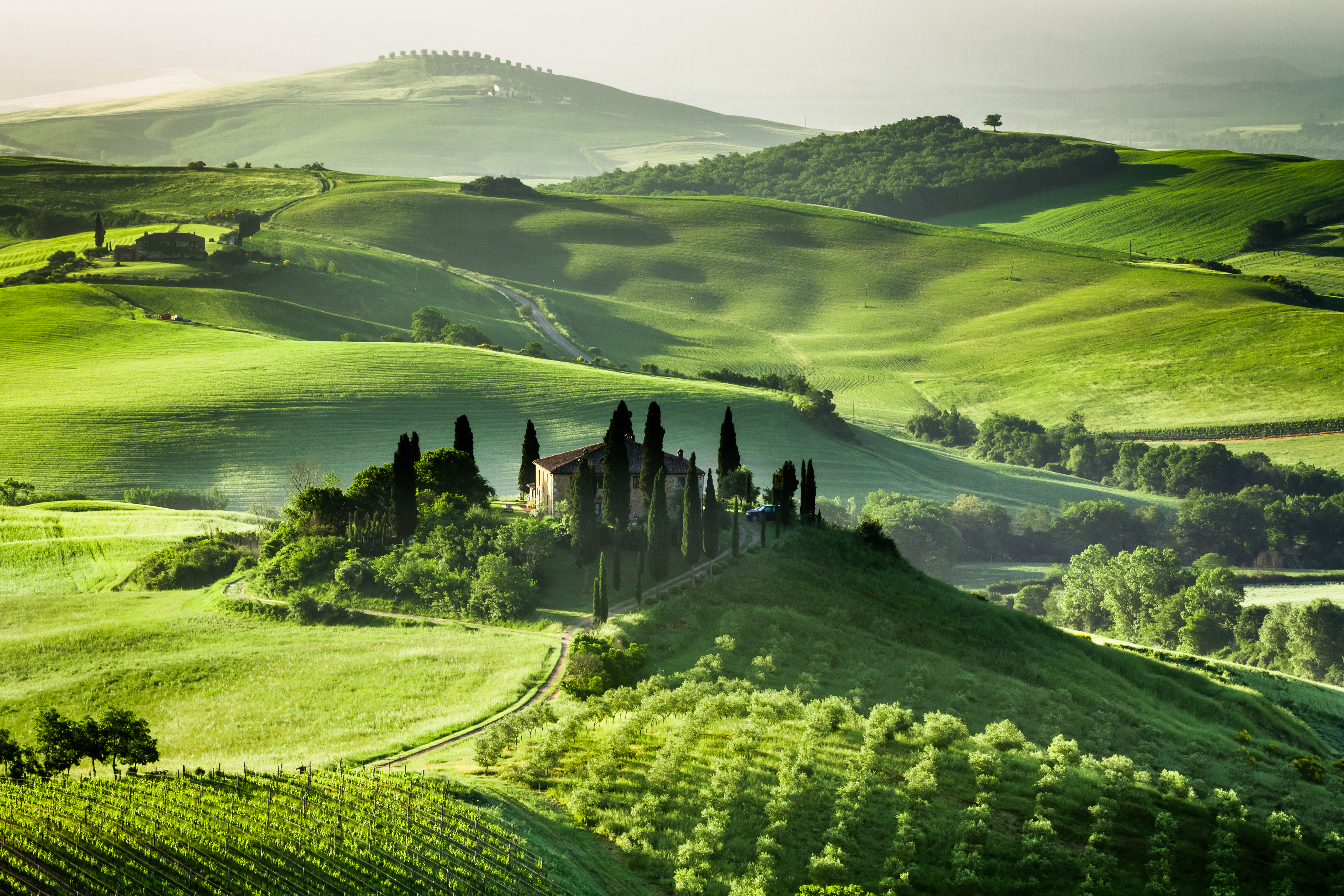
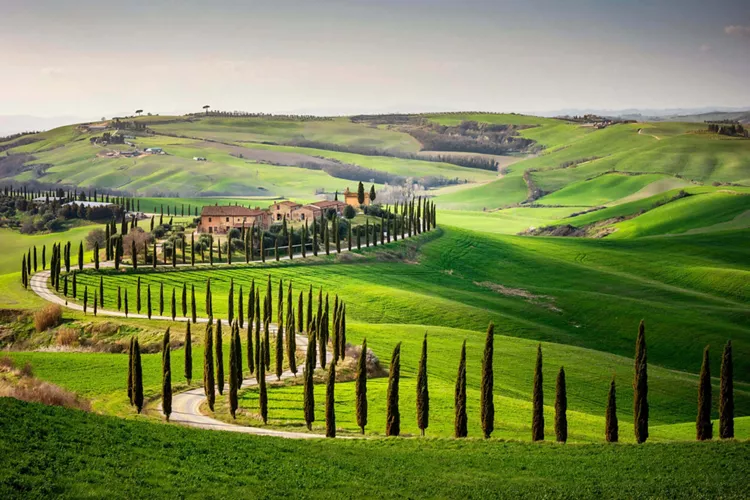
These images capture the exact golden-hour light and iconic cypress trees that frame key moments of arrival and reflection in the film.
San Quirico d’Orcia: The Heart of Montezara
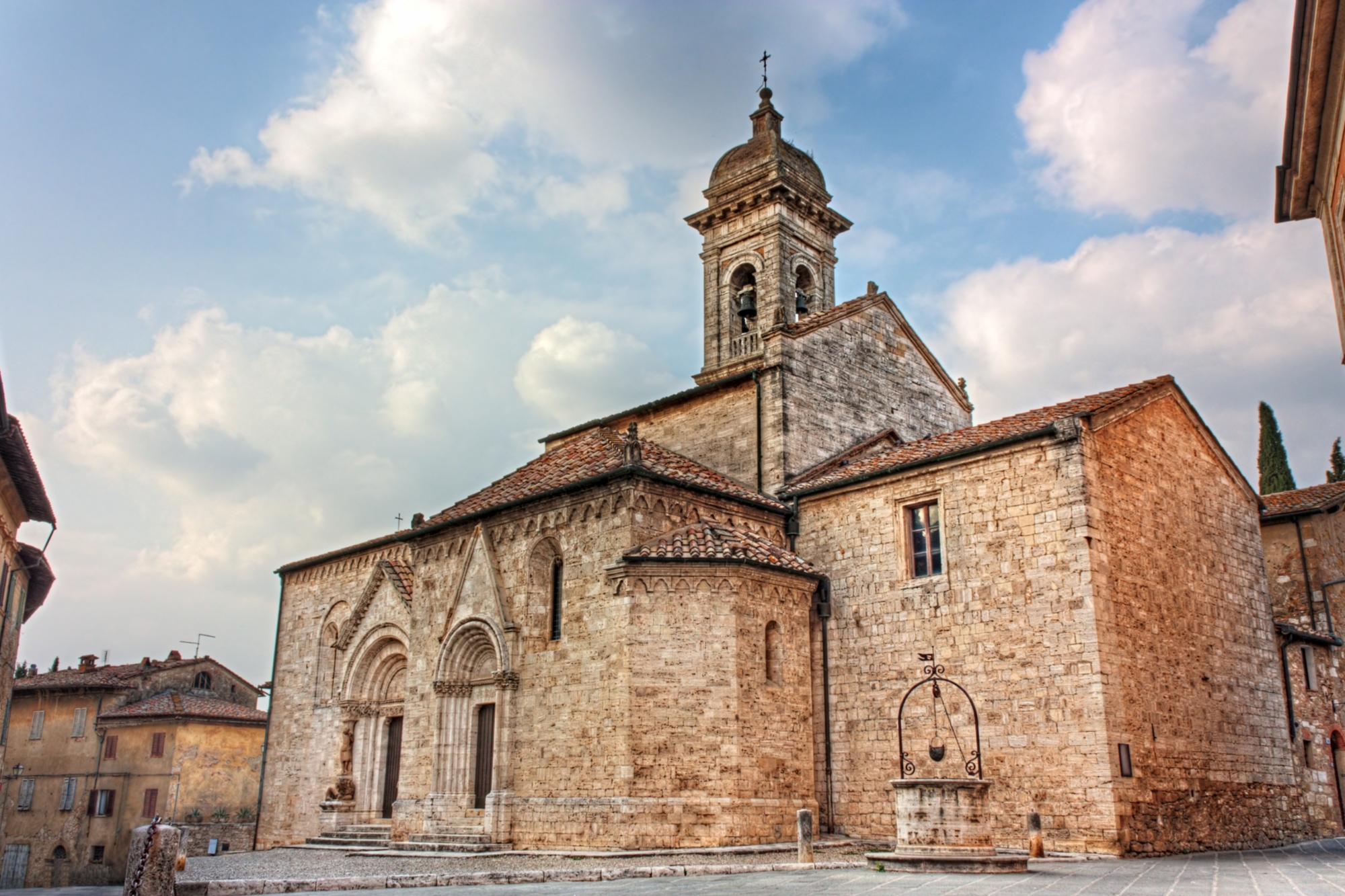
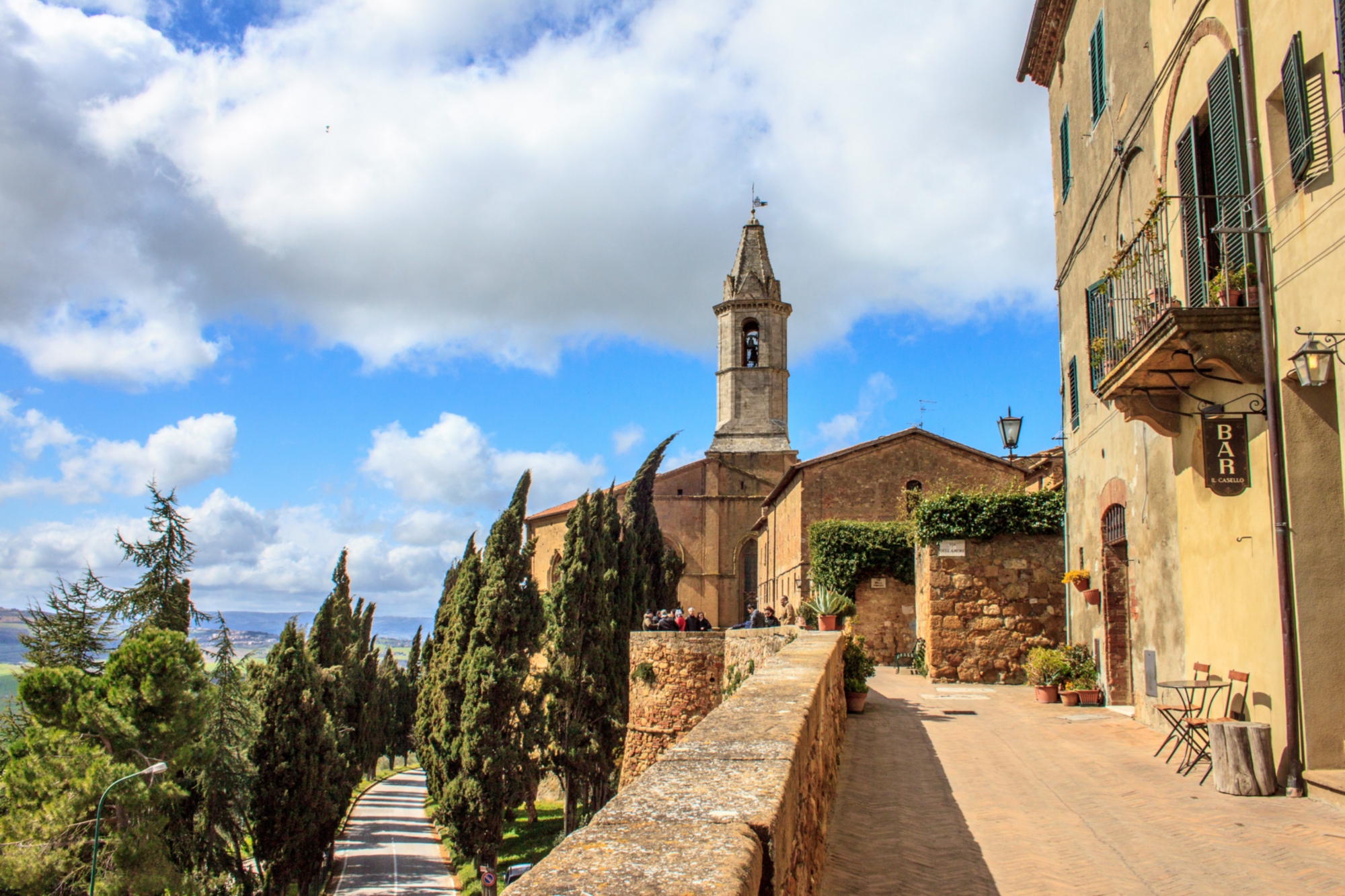
San Quirico d’Orcia serves as the primary stand-in for Montezara’s historic center. This walled medieval town of about 2,500 residents dates to the 8th century and lies along the ancient Via Francigena pilgrimage route. Its compact layout—stone buildings, narrow lanes, and the magnificent Collegiata church with its Romanesque portals—provided the perfect canvas for town-square gatherings, trattoria scenes, and father-daughter walks.
In the movie, the main piazza (with added props) hosts café conversations, market vibes, and the Antonias’ relaxed lifestyle. Real landmarks include Horti Leonini, a Renaissance garden possibly designed with input from Michelangelo, appearing in aerial shots and serene moments. Taverna Da Ciacco doubles as Trattoria Rosada for pasta-and-wine scenes. Bar Centrale becomes Da Cesare, the local hangout.
Visitors today can stroll the same cobblestones, admire the 12th-century church of San Quirico, and enjoy views over the Orcia Valley. The town’s quiet authenticity mirrors the film’s theme of finding beauty in imperfection. Nearby, the Horti Leonini garden offers shaded benches perfect for contemplating one’s own Italian adventure.
Other Tuscan Highlights: Pienza, Montepulciano, and Beyond
Pienza, the “ideal Renaissance city” commissioned by Pope Pius II in the 15th century, features prominently in the bicycle-crash sequence and panoramic viewpoints. Its Palazzo Piccolomini and wide main street provide postcard-perfect backdrops. Montepulciano contributes its grand Piazza Grande and Palazzo del Capitano for civic scenes, including town-hall interiors filmed at the town’s P. Calamandrei Library.
Bagno Vignoni’s historic thermal square—where water steams from a central pool—adds spa-village charm, while San Giovanni d’Asso’s tiny train station stands in for Montezara’s rail arrival. Montalcino station appears briefly, tying into the region’s famous Brunello wine country. A beach scene was shot at Feniglia Beach near Orbetello, a pristine 6-kilometer stretch of protected sand dunes and pine forest on the southern Tuscan coast.
These locations showcase Val d’Orcia’s diversity: Renaissance urban planning in Pienza, noble architecture in Montepulciano, and natural thermal wonders in Bagno Vignoni. Together they create the film’s sense of a tight-knit community where strangers become family.
The Villa: Exterior in Lazio, Interiors at Cinecittà
Where Was La Dolce Villa Filmed for the title property itself? The exterior is Il Torrino dei Gelsi, a stunning 12th-century stone farmhouse and agriturismo near San Gregorio da Sassola in eastern Lazio, roughly 45 minutes from Rome. Surrounded by mulberry trees (gelsi), olive groves, and rolling hills, this working estate provided the perfect “crumbling yet charming” facade. Guests can actually stay here today—its tower rooms and gardens match the on-screen transformation from fixer-upper to dream home.
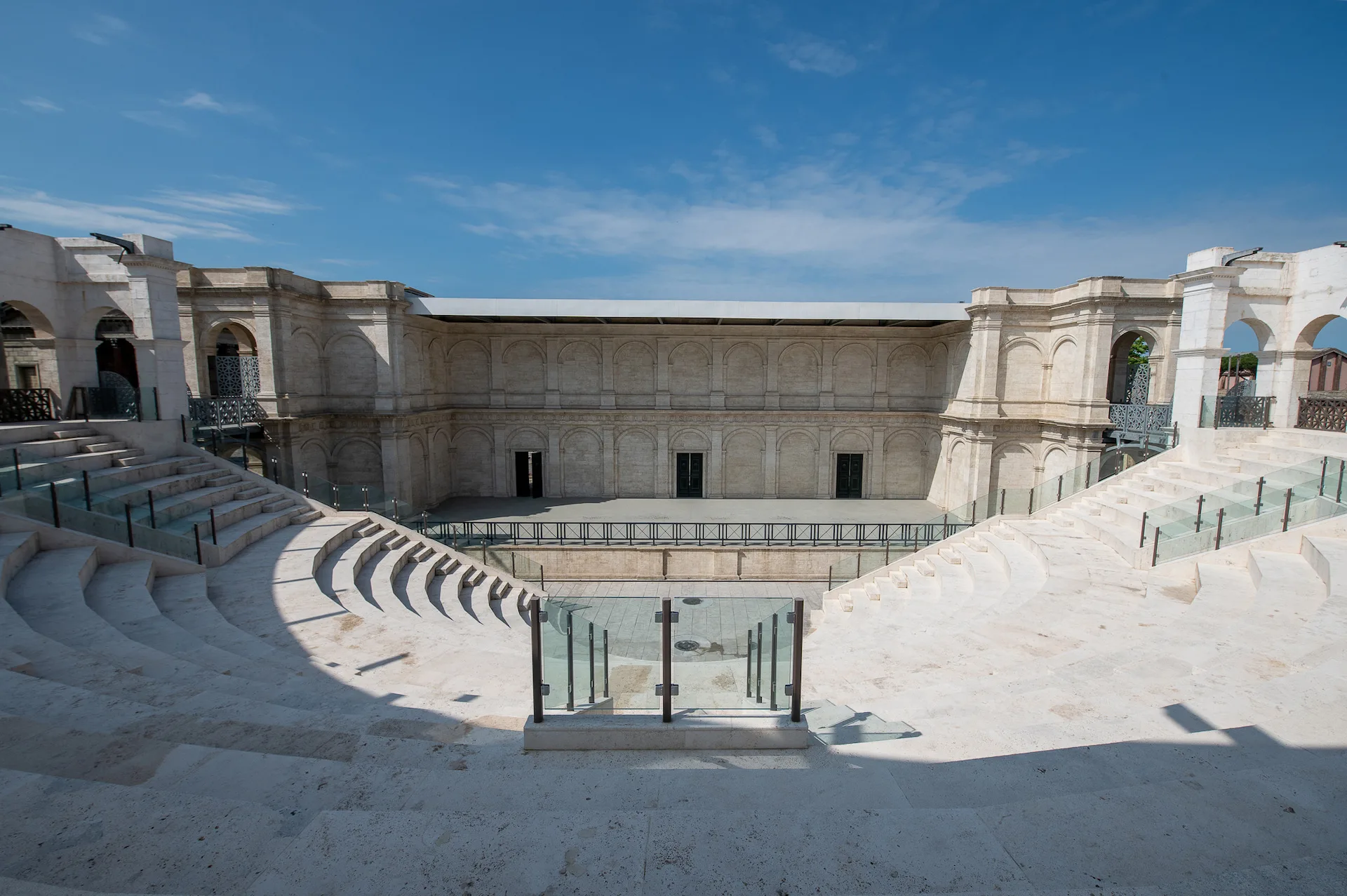
Villa interiors, including the dramatic before-and-after renovation sequences, were constructed on soundstages at Rome’s legendary Cinecittà Studios. Established in 1937, Cinecittà has hosted Fellini’s La Dolce Vita (a clear title inspiration), Scorsese, and Guadagnino productions. The massive backlot and permanent sets allowed full control over lighting and weather for the villa’s emotional core scenes.
Additional Lazio touches include Casale del Sellaretto in Parco degli Acquedotti for a crumbling-house moment and Castello della Castelluccia near Campagnano di Roma for a scenic cycling viewpoint.


Rome Connections and Practical Production Notes
The film opens at Roma Trastevere Railway Station, where Eric arrives in the Eternal City. This lively hub in Rome’s student-friendly Trastevere neighborhood sets the tone for culture clash and eventual surrender to Italian charm.
Production cleverly mixed real exteriors with studio magic, ensuring the story remained intimate rather than a travelogue. Waters noted the challenge of finding “ramshackle” authenticity amid Italy’s picture-perfect villages, ultimately succeeding by blending multiple sites.
Planning Your La Dolce Villa Pilgrimage
Where Was La Dolce Villa Filmed offers an ideal itinerary for a 7–10 day Tuscan-Lazio escape. Fly into Rome (Fiumicino or Ciampino), rent a car for flexibility, and base yourself in Siena or Montepulciano. Spring (April–June) or early fall mirrors filming conditions with mild weather and blooming fields.
Stay at Il Torrino dei Gelsi for villa immersion—book the tower suite and enjoy farm-to-table dinners. In San Quirico d’Orcia, choose agriturismi or boutique hotels like Palazzo del Capitano. Taste local Brunello and Vino Nobile wines, hike the Via Francigena, and cycle the Crete Senesi badlands.
Practical tips: Respect filming-era privacy—no drones in sensitive areas. Support local businesses as the characters do. Combine with nearby Florence (1.5 hours) or Rome day trips. A guided Val d’Orcia e-bike tour can replicate movie routes.
The region’s UNESCO status ensures preserved beauty, but overtourism awareness is key—visit shoulder seasons and explore lesser-known trails.
Capturing La Dolce Vita Yourself
Ultimately, Where Was La Dolce Villa Filmed celebrates Italy’s power to heal, connect, and inspire. Whether you’re renovating dreams or simply seeking slower living, these real-life settings deliver the movie’s promise: beauty is everywhere when you slow down and look.
From Val d’Orcia’s golden hills to Lazio’s hidden farmhouses and Rome’s cinematic heritage, the locations prove that sometimes the sweetest life is the one you build—brick by brick, or scene by scene.
FAQ: Where Was La Dolce Villa Filmed – Your Questions Answered
1. Is Montezara a real town? No. Montezara is fictional, primarily based on San Quirico d’Orcia with elements from nearby Tuscan villages. The name echoes a real Sardinian winery but the setting is pure Val d’Orcia magic.
2. Can I stay at the villa from the movie? Yes! The exterior is Il Torrino dei Gelsi agriturismo near San Gregorio da Sassola in Lazio. It’s a working farm and guest house open to bookings—perfect for an authentic stay.
3. When was La Dolce Villa filmed? Principal photography took place in early 2024, with the key Val d’Orcia shoot running April 3–15, 2024. Interiors were completed at Cinecittà Studios around the same period.
4. Which location is easiest to visit from Rome? Il Torrino dei Gelsi and Cinecittà Studios are both under an hour away. Roma Trastevere station is right in the city. For Tuscany, plan a day trip or overnight from Rome (2–3 hours by train/car).
5. Are there any movie props or changes still visible? Most props (fountain, signage) were temporary. However, some storefront touches remain, and locals are happy to point out filming spots. The villa’s garden and tower look very close to their on-screen glory.
6. What other movies were filmed in these areas? Val d’Orcia and Pienza appear in Gladiator, The English Patient, and Letters to Juliet. Cinecittà hosted Ben-Hur, Cleopatra, and Fellini masterpieces.
7. Is the one-euro house concept real? Yes! Several Italian towns (especially in Sicily, Calabria, and parts of Tuscany) have offered derelict properties for €1 to combat depopulation, with renovation obligations—exactly as depicted.
8. Best way to experience the film’s “dolce far niente”? Sit in San Quirico’s piazza with an espresso, hike the cypress roads at sunset, or soak in Bagno Vignoni’s thermal waters. Slow down, as the characters eventually learn.